Week 16: Designing the Environmental Hazard (Shelf-Stalker Codex)
The Designer’s Deep Dive
The Design Intent
Most creatures in this bestiary are threats you can read. They have tells. They have presence. They want something you can recognize — territory, prey, survival. The Shelf-Stalker is designed to break that assumption entirely.
The core design goal was a creature with zero combat identity that still functions as a genuine threat. No stalking loop. No attack pattern to learn in advance. No psychological pressure to signal danger. Just an object in a pile of objects — and the question of whether you slow down before you reach for it.
This one is really about player behavior, not encounter design. The Shelf-Stalker doesn't scale with the party. The party scales the threat themselves based on how fast they loot and how much they trust found objects. A cautious group with an Interface Codex active barely notices it. A group burning through a salvage pile after a hard fight might lose a hand before they realize what happened.
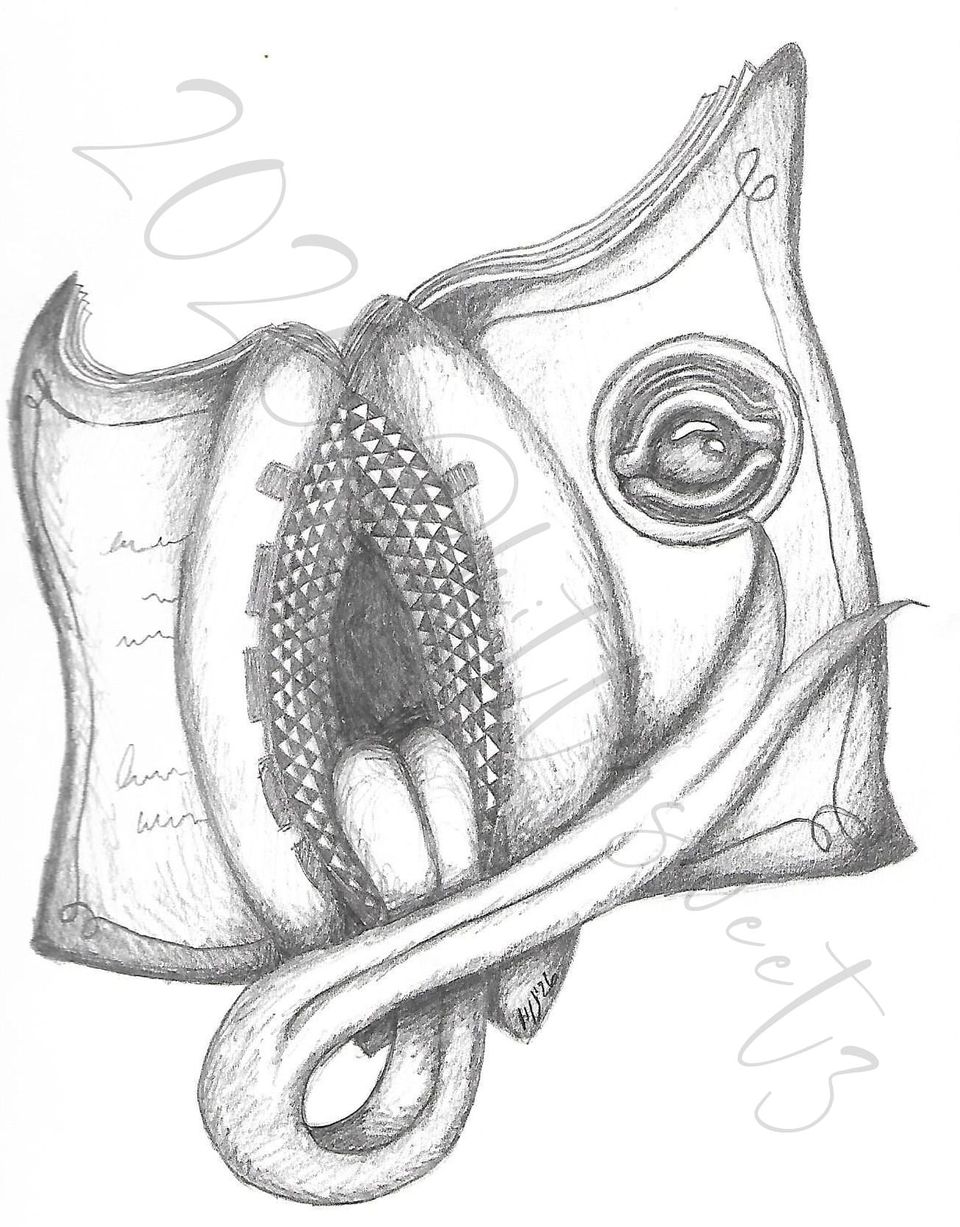
The two vessel forms — book and data slab — exist to reinforce the world's dual identity without needing two separate stat blocks. Same threat. Different texture depending on the biome.
The post-trigger flickering detail — partial names, corrupted instructions — was added specifically to make the moment feel like something almost happened. The Shelf-Stalker isn't evil. It's broken. And that almost-connection is the most unsettling part of the whole encounter.

Comments ()